
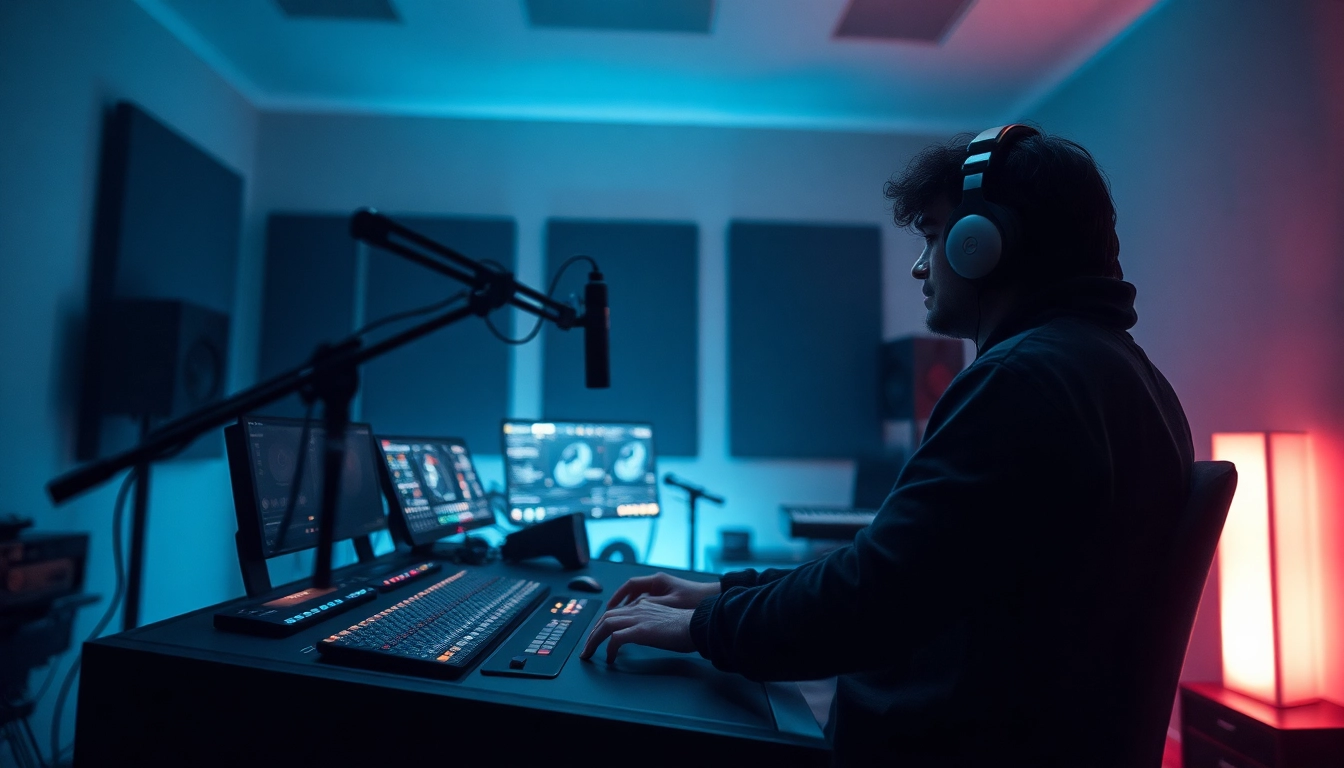
Understanding CM88’s Unique Sound
The CM88 sound is an emerging trend in the music industry, characterized by its cinematic soundscapes and innovative production techniques. As artists seek to differentiate themselves in a competitive landscape, understanding the essence of CM88 can provide valuable insights into creating mesmerizing sonic experiences. Whether you are a budding musician or an established producer, exploring the features of CM88 through its unique characteristics and production methodologies can enhance your creative journey. When exploring options, CM88 provides comprehensive insights into this dynamic approach to music-making.
The Origin and Evolution of CM88
CM88 emerged from the vibrant music scene, drawing influences from various genres while creating a distinct identity that resonates with listeners. The artistic journey of CM88 began in the heart of Northern Ireland, with artists cultivating a sound that combines cinematic elements with electronic music. Over the years, CM88 has evolved, incorporating new technologies and styles that reflect the diverse influences of today’s cultural landscape.
Key Characteristics of CM88 Soundscapes
One of the standout features of CM88 soundscapes is their ability to evoke strong emotions through layered instrumentation, dynamic melodies, and atmospheric textures. This genre often employs:
- Rich Textures: Incorporating different instrumental layers provides depth and complexity, enveloping the listener in a rich auditory experience.
- Vivid Imagery: CM88 tracks often paint sonic pictures, using sound to tell stories that engage the listener’s imagination.
- Innovative Mixing Techniques: Producers utilize modern mixing approaches, such as spatial audio, to create immersive sound experiences.
Comparative Analysis with Other Artists
When placing CM88 in the context of other music genres, its unique blend of electronic and orchestral elements sets it apart. Unlike traditional electronic artists who may focus solely on beat-driven compositions, CM88 artists create soundtracks that feel expansive and cinematic. For instance, while some artists may rely heavily on bass drops and club beats, CM88 emphasizes melody and emotional resonance, drawing listeners into a more profound connection with the music.
Essential Tools for Creating CM88 Soundscapes
To effectively produce CM88 soundscapes, it’s crucial to invest in the right tools and technology. From microphones to software, each component plays a vital role in shaping the final outcome of a track.
Best Equipment for Ideal Sound Production
Choosing the proper equipment can significantly enhance the quality of your CM88 projects. Some essential tools include:
- Microphones: High-fidelity condenser microphones, like the Nady CM-88, are ideal for capturing vocals and instruments with clarity.
- Audio Interfaces: A reliable audio interface ensures high-quality sound input and output, allowing for effective tracking and mixing.
- Studio Monitors: Invest in accurate studio monitors to ensure that mixing translates well across different playback systems.
Software Tools to Enhance Your CM88 Experience
In addition to hardware, software tools are indispensable for CM88 music production:
- Digital Audio Workstations (DAWs): Programs such as Ableton Live or Logic Pro X offer comprehensive features for recording, editing, and mixing music.
- Plugins: Utilizing VSTs (Virtual Studio Technology) can expand your sound library, allowing for greater flexibility in creating unique soundscapes.
- Sound Design Tools: Software like Native Instruments Komplete can provide additional sound synthesis options essential for creating ambient and cinematic effects.
Tips for Optimizing Your Sound Environment
Creating the perfect sound environment is critical for producing high-quality CM88 tracks. Here are some practical tips:
- Acoustic Treatment: Use acoustic panels and bass traps to reduce unwanted reflections and create a controlled listening environment.
- Proper Monitoring: Ensure your monitoring setup is configured correctly to avoid phase issues and frequency imbalances.
- Regular Calibration: Regularly calibrate your equipment to maintain optimal performance and sound accuracy.
Innovative Techniques for CM88 Music Production
As you dive deeper into CM88 production, employing innovative techniques can set your tracks apart. These methods often draw from various practices across genres, enabling a richer musical output.
Layering Sounds: A CM88 Approach
Layering is a fundamental technique in CM88 music production. It involves combining multiple sounds to create a fuller, more textured track. This process typically includes:
- Harmonious Melodies: Layer different melodic lines to create a harmonic richness that resonates emotionally.
- Rhythmic Elements: Combine diverse percussive elements to craft complex rhythmic patterns that enhance the musical narrative.
- Ambient Textures: Use pads and atmospheric sounds to fill out the mix and provide a sense of space.
Utilizing Ambience in CM88 Tracks
Ambience plays a crucial role in CM88 soundscapes. By incorporating ambient sounds, producers can create a more immersive experience. Techniques include:
- Field Recordings: Integrating natural sounds from environments—birds chirping, waves crashing—adds authenticity and depth.
- Reverb and Delay: Utilizing effects like reverb and delay can help create an expansive sound, making the listener feel enveloped by the music.
Mixing Strategies Unique to CM88
Mixing in the CM88 style requires a unique approach to ensure that each element of the track is balanced and contributes to the overall sound. Here are some strategies to consider:
- Dynamic Range Control: Use compression judiciously to maintain dynamics while ensuring the track has the necessary punch.
- Frequency Balancing: Pay attention to frequency distribution to ensure all elements are present without clashing, allowing for clarity across the mix.
- Spatial Mixing: Experiment with panning and stereo imaging to create a three-dimensional listening experience.
Real-World Applications of CM88 Techniques
The innovative strategies developed for CM88 can apply to various music genres and industries, showcasing its versatility and impact.
Case Studies: Successful Albums and Tracks
Several notable projects have successfully implemented CM88 techniques, resulting in critically acclaimed outputs. These case studies highlight how layering, ambient sounds, and innovative mixing can transform music:
- Dreamscapes by CM88: This album features intricate sound layering and field recordings, delivering a captivating auditory journey.
- Mystical Beats: A collaboration between various artists that utilized CM88 techniques to blend classical instrumentation with modern electronic elements.
Industries Seeking CM88 Inspirations
Beyond music production, CM88 techniques are gaining traction in various industries. Noteworthy applications include:
- Film Scoring: The cinematic qualities of CM88 soundscapes are perfect for enhancing narrative depth in film and television.
- Video Game Design: Game developers are increasingly integrating CM88 techniques to create immersive audiovisual experiences in interactive media.
- Advertising: Brands are leveraging CM88 soundscapes to evoke emotions and connect with audiences through their advertising campaigns.
Collaborative Opportunities for CM88 Artists
The collaborative nature of CM88 fosters connections between artists across genres. Potential partnerships might include:
- Cross-Genre Collaborations: fusing CM88 techniques with other genres like rock, hip-hop, or pop to create unique sound experiences.
- Workshops and Masterclasses: Offering educational sessions for emerging artists interested in learning about CM88 techniques and sound production.
The Future of CM88 and its Influence on Music
As CM88 continues to evolve, its impact on the music industry will likely expand, influencing new artists and genres alike.
Emerging Trends in the CM88 Sound Landscape
Looking toward the future, several trends in the CM88 sound landscape are worth noting:
- Integration of AI in Music Production: Utilizing AI tools for sound analysis and generation is becoming more prevalent, providing artists with new creative avenues.
- Sustainability in Music Production: As environmental concerns rise, artists are also considering sustainable practices in their creative processes.
Predictions for 2026 and Beyond
By 2026, the CM88 sound is expected to incorporate even more diverse influences, including:
- Global Music Influences: Expect to see CM88 artists embracing international musical styles, blending them into their soundscapes for a more global reach.
- Augmented Reality Experiences: New technologies will allow listeners to engage with music in immersive ways, expanding how CM88 is experienced live and online.
How CM88 Will Shape Future Music Genres
As CM88 continues to gain momentum, its innovative approaches will undoubtedly influence the development of new genres. Genres like cinematic pop or electronic orchestral music might emerge, characterized by the intricate production techniques established by CM88 artists. This combination of soundscapes and modern technology has the potential to redefine how music is created, consumed, and experienced.