
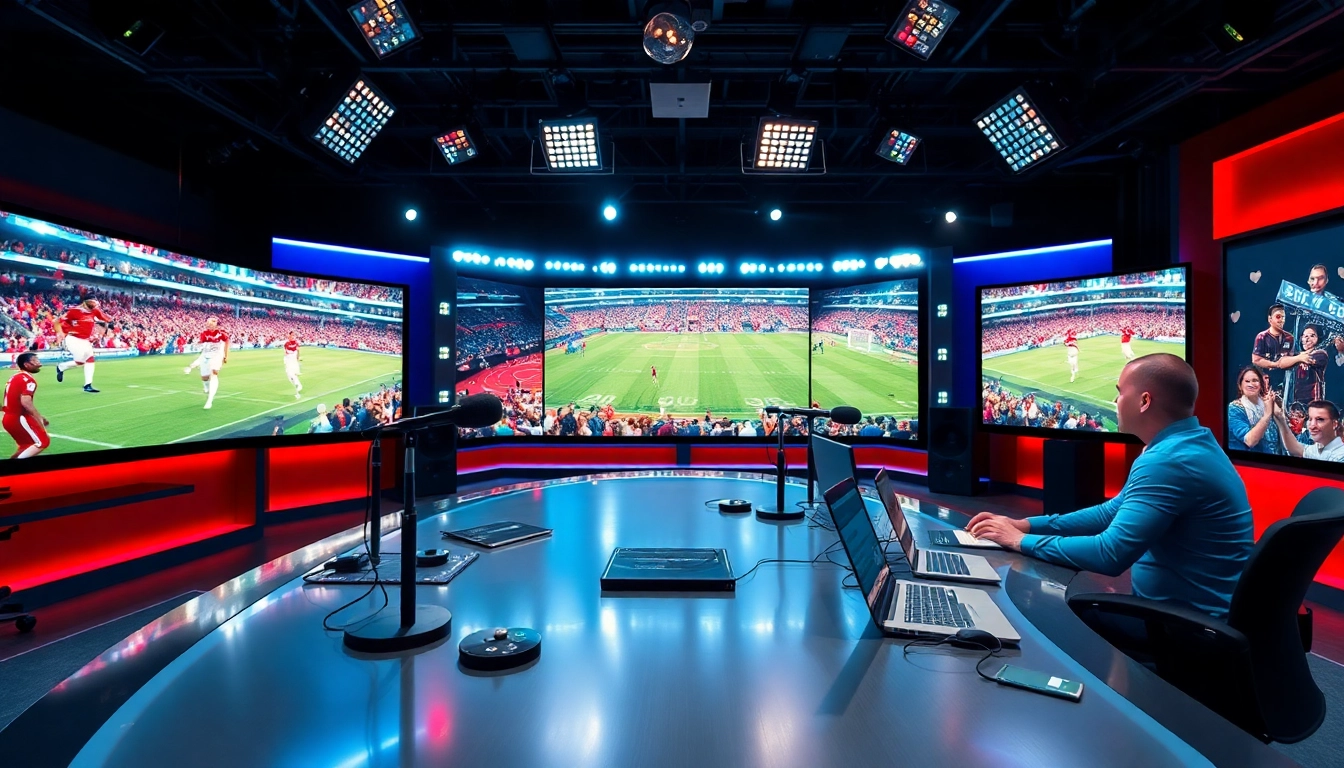
Introduction to Sports Broadcasting
Definition and Importance
Sports broadcasting involves the various methods through which sports content is distributed to audiences, including television, radio, and online platforms. It plays a crucial role in the sports industry by bringing real-time coverage of events to fans, enhancing their experience and connection to the teams and athletes they support. The evolution of Sports Broadcasting has transcended mere event coverage, becoming a significant cultural phenomenon that influences how fans engage with sports.
Historical Evolution of Sports Broadcasting
The history of sports broadcasting dates back to the early 20th century when radio stations first began to broadcast play-by-play coverage of local sporting events. This development marked the beginning of allowing fans to experience live events from the comfort of their homes. The transition to television in the 1950s brought sports to an even broader audience, and iconic events like the Super Bowl and the Olympics established televised sports as a cornerstone of entertainment and national culture.
Key Players in the Industry
The sports broadcasting landscape is populated by various entities ranging from traditional television networks to digital streaming platforms. Major broadcasters invest heavily in acquiring rights to exclusive sports content, while emerging platforms focus on delivering niche content to specific audiences. Complementing them are sports leagues and teams, which use broadcast deals as a vital revenue stream, and advertisers who leverage this exposure to build brand recognition.
Technological Advancements in Sports Broadcasting
Role of Streaming Services
With the decline of traditional cable subscriptions, streaming services have revolutionized sports broadcasting by offering fans on-demand access to events and highlights. Platforms such as online-only sports networks provide innovative features like personalized viewing experiences, allowing users to select camera angles or follow specific athletes. This shift not only caters to the evolving consumer preferences but also facilitates global outreach, reaching fans who previously lacked access to certain sports through traditional channels.
Integration of Augmented Reality
Augmented reality (AR) is increasingly being integrated into sports broadcasting, creating immersive viewing experiences. By overlaying information such as player stats, decision-making algorithms, and real-time data onto the screen, broadcasters can enrich the audience’s understanding of the game. This technology enables viewers to engage with the content in a more interactive way, holding their attention and deepening their connection to the sport being featured.
Future of Broadcasting Equipment
Advancements in broadcasting equipment are poised to reshape the way sports are presented. High-definition cameras, drone technology, and 360-degree filming are becoming standard tools for capturing the action. As VR (virtual reality) technology develops, these tools will enhance live broadcasts further, providing fans with experiences that replicate the feeling of being at the stadium. The ongoing innovation in broadcasting technology aims to elevate viewer engagement while ensuring high-quality production standards.
Best Practices for Engaging Audiences
Creating Compelling Content
To capture and retain viewers’ attention, sports broadcasters must produce compelling narratives surrounding the game. This can involve deep dives into player backgrounds, analysis of team dynamics, and even live interviews with players and coaches. By weaving storytelling into existing coverage, broadcasters can foster deeper emotional connections and engage fans beyond just the game itself.
Utilizing Social Media Platforms
Social media has become integral to sports broadcasting. Platforms like Twitter, Instagram, and TikTok allow broadcasters to share highlights, behind-the-scenes content, and engage in real-time conversations with fans. The immediacy of social media fosters a sense of community among fans, transforming viewers into active participants in the sports narrative.
Understanding Audience Preferences
Understanding audience demographics and preferences is vital for effective sports broadcasting. Using analytics tools, broadcasters can analyze viewer habits and tailor content to match audience interests. Adapting based on viewer feedback and trends ensures that broadcasters maintain relevance and meet the needs of their diverse audience base.
Challenges in Sports Broadcasting
Legal and Regulatory Issues
Sports broadcasters often face a myriad of legal challenges, including licensing issues and regulatory compliance. Securing broadcasting rights can be expensive and complex, and failure to navigate these issues can result in costly penalties. Broadcasters must stay informed about changes in media regulations to protect their interests and ensure uninterrupted service delivery.
Maintaining Quality During Live Events
Live events are unpredictable, and maintaining high-quality broadcasts in the face of unforeseen circumstances requires experienced teams and robust technology. Issues such as signal loss, technical glitches, or equipment failures can disrupt coverage. Having contingency plans, including backup systems and personnel, is essential for garantizaring a smooth viewing experience.
Adapting to Evolving Technologies
The rapid evolution of technology means sports broadcasters must continually adapt and innovate to stay competitive. From adopting new platforms to integrating advanced analytics and AR, broadcasters need to invest in research and development to keep up with consumer expectations and technological advancements.
Measuring Success in Sports Broadcasting
Key Performance Indicators (KPIs)
To evaluate the effectiveness of their broadcasts, sports broadcasters rely on several key performance indicators (KPIs). Metrics like viewer ratings, audience retention rates, and engagement levels provide valuable insights into how well a broadcast is performing. By analyzing these KPIs, broadcasters can make informed decisions regarding content and marketing strategies.
Analyzing Viewer Engagement
Understanding viewer engagement is crucial for refining broadcasting efforts. Analyzing the level of interaction viewers have with content, including social media shares, comments, and live polls can highlight what aspects resonate most with audiences. This information can be used to shape future programming and foster community interaction.
Feedback and Continuous Improvement
Establishing open channels for audience feedback is vital for ongoing improvement in sports broadcasting. Surveys, focus groups, and social media interactions can yield invaluable insights. By implementing changes based on viewer feedback, broadcasters can enhance the overall viewer experience and foster loyalty among their audiences.
FAQs about Sports Broadcasting
What is sports broadcasting?
Sports broadcasting is the transmission of sports events through television, radio, or online platforms to engage fans and deliver sports content in real-time.
How has technology impacted sports broadcasting?
Technology has revolutionized sports broadcasting through streaming services, augmented reality, and advanced broadcasting equipment, enhancing viewer engagement.
What are the key challenges in sports broadcasting?
Key challenges include legal issues, maintaining quality during live events, and adapting to rapid technological changes while ensuring audience satisfaction.
Why is audience engagement important in sports broadcasting?
Audience engagement drives viewer loyalty, influences advertising revenue, and enhances the overall fan experience, making it a priority for broadcasters.
What role do KPIs play in sports broadcasting?
KPIs help broadcasters assess the success of their broadcasts by measuring viewer ratings, engagement levels, and audience retention to guide future strategies.
